Financial Fraud Prevention

First Seacoast Bank Fraud Fighters. Keeping You Informed. Keeping You Safe.

Your personal and financial security is our number one priority. 


The First Seacoast Bank Fraud Fighters team is committed to providing notifications and information on the latest fraud and scam trends.

As fraudsters get more sophisticated every year, staying educated is more important than ever to protect yourself and your loved ones. 

If you have experienced suspicious or fraudulent activity or have questions about protecting your finances, contact us.

Important Phone Numbers


To report a lost or stolen debit card call

To report a lost or stolen credit card call

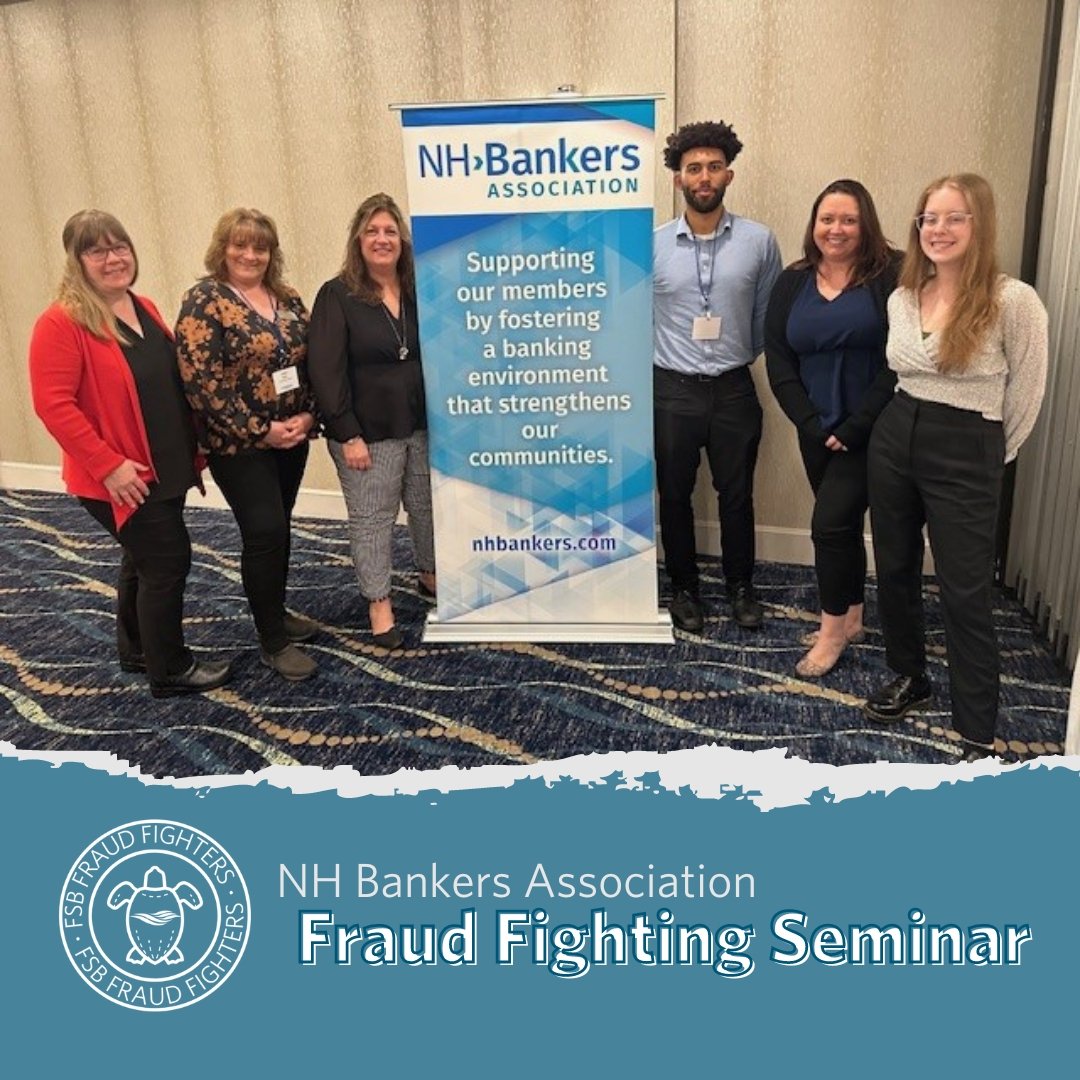
Fraud Fighters in Our Community

Spot the Latest Scams

Learn the red flags you need to know to catch fraudsters in the act, and keep your money safe.

How to Protect Yourself From Fraud 

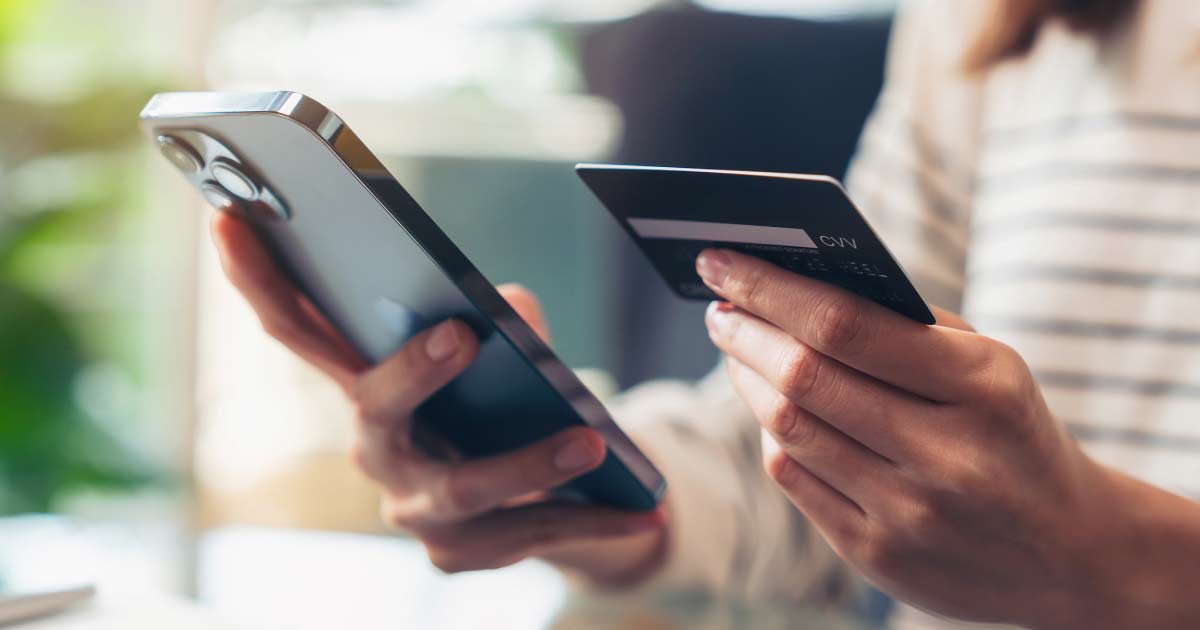
Best Practices for Safe Digital and Mobile Banking

Stay safe when using your digital or mobile banking.

NEVER give out your login information to ANYONE, including someone claiming to be from your financial institution.

First Seacoast Bank will NEVER ask for your username, security question answers, or passwords.

The First Seacoast Bank Fraud Fighters have collaborated with our digital and mobile banking teams to bring you a series of videos in our Online Education Center that include best practices for staying safe in your digital and mobile banking environment. You can also find a list of secure electronic banking services First Seacoast Bank offers here.  

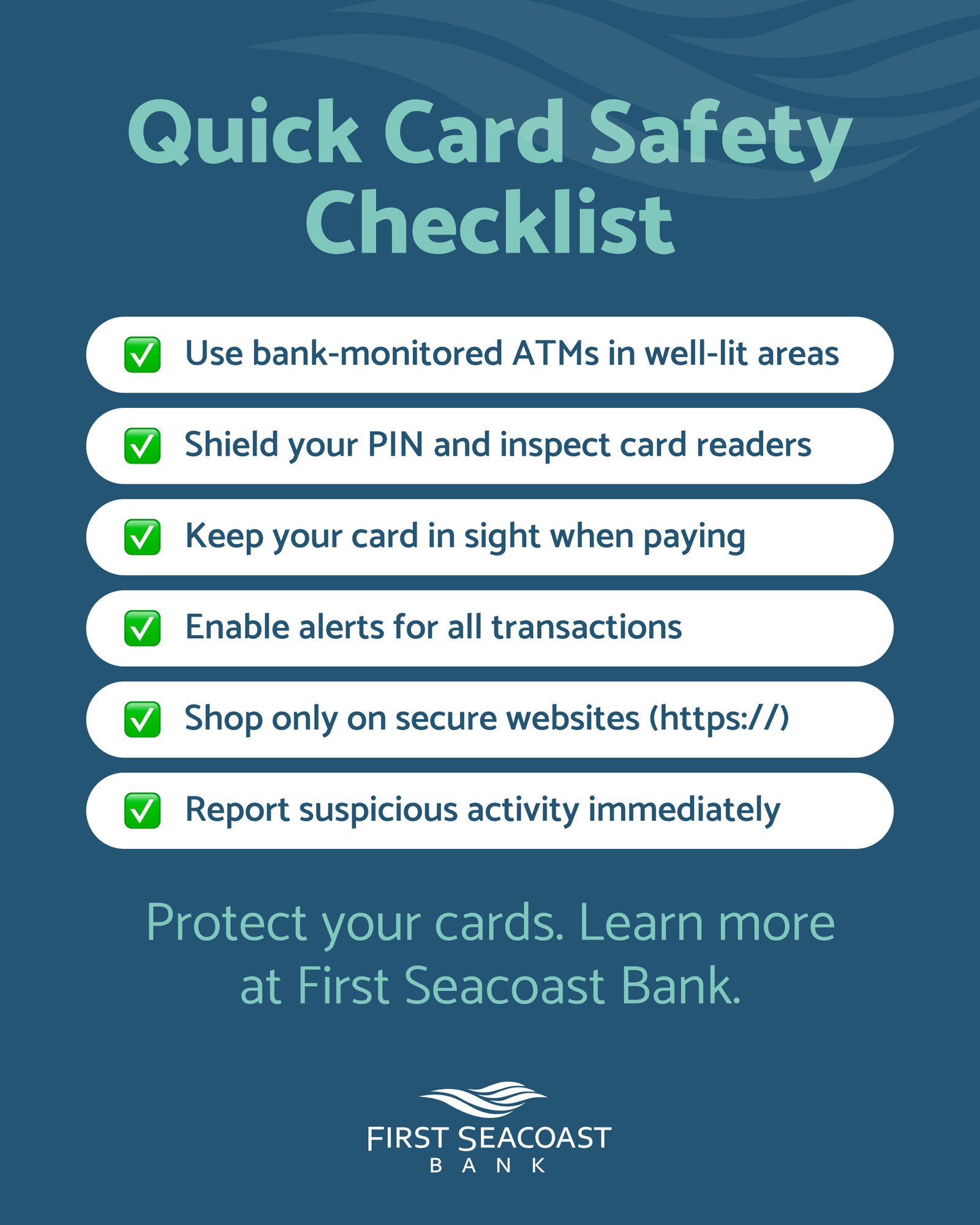
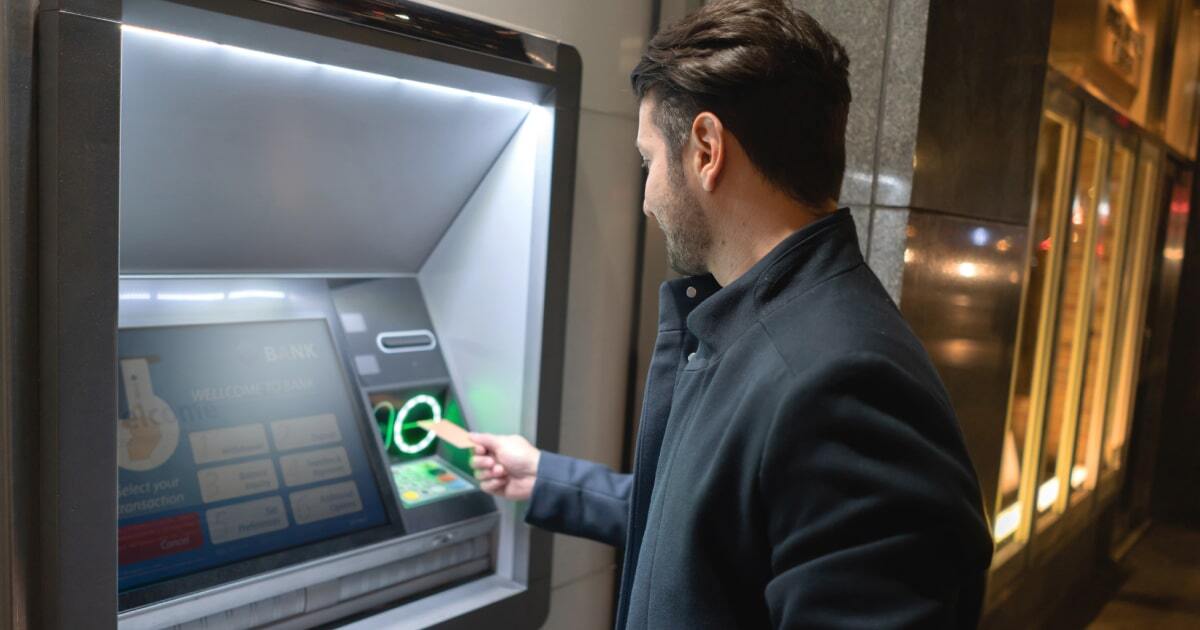
ATM, Credit Card, and Debit Card Security

Treat your card as carefully as you treat cash.

In 2024, the Federal Trade Commission (FTC) filed almost 450,000 reports of credit card fraud and 76,000 reports of debit card fraud.

Luckily, the tools we use to fight card fraud are getting better every day.

Fraudsters are constantly targeting you in new ways, whether the transaction is taking place physically at a store or ATM, or digitally. This is why the First Seacoast Bank Fraud Fighters team has prepared a guide to protecting your cards and keeping your accounts safe.

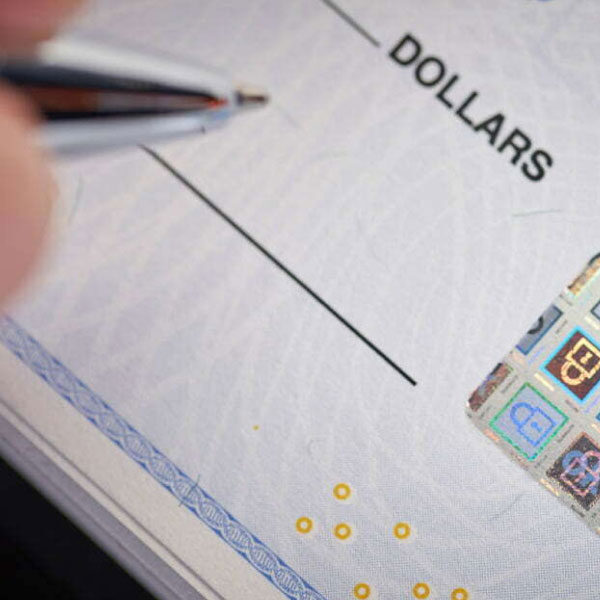
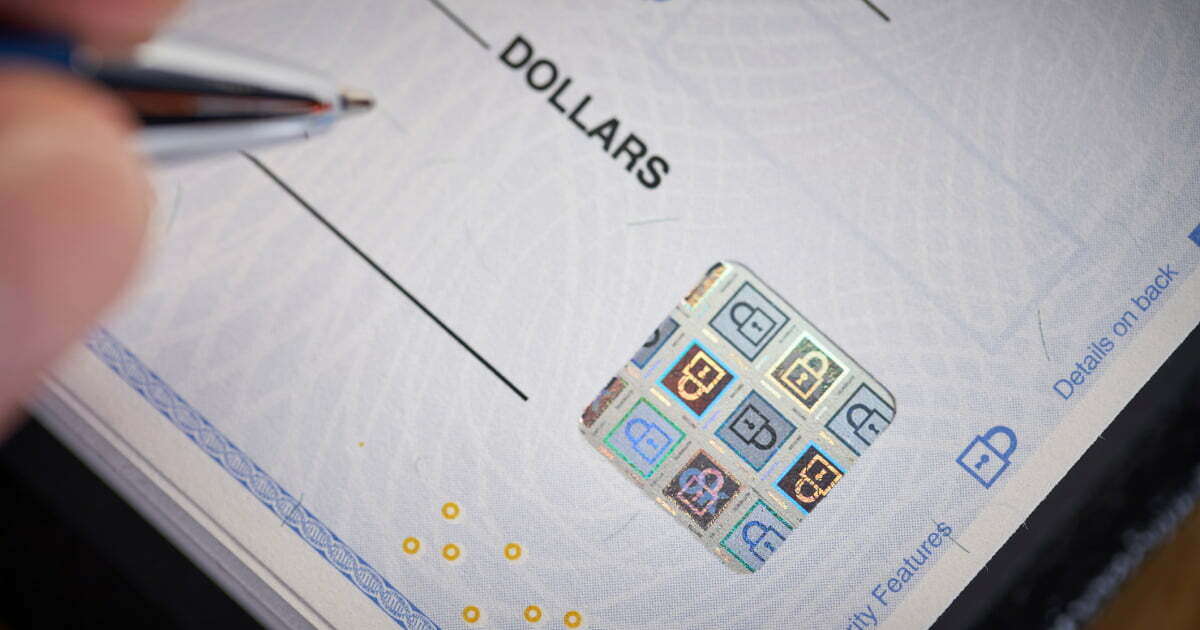
Understanding and Preventing Check Fraud

Despite a decrease in overall check writing, the FBI and USPIS warn that check fraud is rising, especially mail theft. Suspicious Activity Reports (SARs) related to check fraud almost doubled from 2021 to 20231.

In response to this trend, the First Seacoast Bank Fraud Fighters team has compiled a resource on preventing and responding to check fraud.

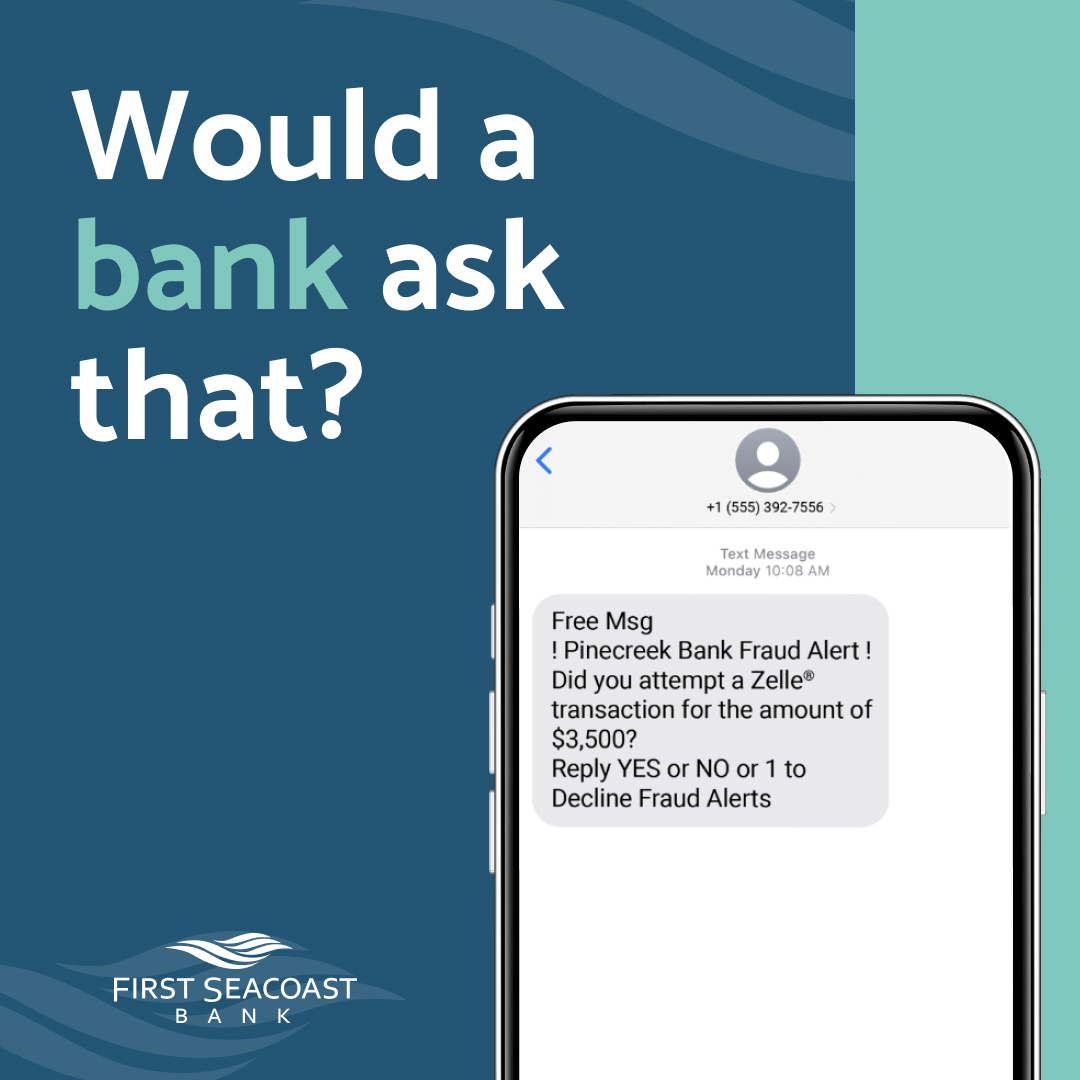
Banks Never Ask That!

In 2024, scammers stole over $16 billion from consumers.

Stay Alert. Don't become a part of the statistics.

Your bank will NEVER ask you for private information like passwords, PINs, account numbers, or card numbers.

Legitimate businesses will NEVER ask you to pay with gift cards.

You will NEVER have to keep a transaction a secret from the company allegedly requesting your information.

Spot the Latest Financial Scams 

Learn the red flags you need to know to catch fraudsters in the act, and keep your money safe.


safe-digital-mobile-banking

Best Practices for Safe Digital and Mobile Banking

Stay safe when using your digital or mobile banking.

NEVER give out your login information to ANYONE, including someone claiming to be from your financial institution.

First Seacoast Bank will NEVER ask for your username, security question answers, or passwords.

The First Seacoast Bank Fraud Fighters have collaborated with our digital and mobile banking teams to bring you a series of videos in our Online Education Center that include best practices for staying safe in your digital and mobile banking environment. You can also find a list of secure electronic banking services First Seacoast Bank offers here.

FSB-blog-how-to-prevent-card-fraud-min

ATM, Credit Card, and Debit Card Security

Treat your card as carefully as you treat cash.

In 2024, the Federal Trade Commission (FTC) filed almost 450,000 reports of credit card fraud and 76,000 reports of debit card fraud.

Luckily, the tools we use to fight card fraud are getting better every day.

Fraudsters are constantly targeting you in new ways, whether the transaction is taking place physically at a store or ATM, or digitally. This is why the First Seacoast Bank Fraud Fighters team has prepared a guide to protecting your cards and keeping your accounts safe.

fsb-blog-check-fraud

Understanding and Preventing Check Fraud

Despite a decrease in overall check writing, the FBI and USPIS warn that check fraud is rising, especially mail theft. Suspicious Activity Reports (SARs) related to check fraud almost doubled from 2021 to 20231.

In response to this trend, the First Seacoast Bank Fraud Fighters team has compiled a resource on preventing and responding to check fraud.

www.banksneveraskthat.comwp-contentuploads202208BNATLogo_FullColor-1

Banks Never Ask That!

In 2024, scammers stole over $16 billion from consumers.

Stay Alert. Don't become a part of the statistics.

Your bank will NEVER ask you for private information like passwords, PINs, account numbers, or card numbers.

Legitimate businesses will NEVER ask you to pay with gift cards.

You will NEVER have to keep a transaction a secret from the company allegedly requesting your information.

Frequently Asked Questions

Find answers to the most common questions about scams and fraud prevention.

Is digital banking secure?
Yes, digital banking with First Seacoast Bank is secure. We use advanced encryption technology and multi-factor authentication to protect your personal and financial information. Your security is our top priority.
How often should I monitor my bank accounts for unusual activity?

If you have access to digital baking, check all transactions and check images every single day.

Confirm not just that the check number you issued cleared for the amount you issued, but also that the payee, amount, and endorsement on the back are correct.

If you do not have access to digital banking, make sure to at least review your monthly statement and review activity.

Is Mobile Wallet safe?

Mobile wallet payments are a safe way to pay because your actual card number is never shared with the store.

Instead, your phone creates a unique one-time “token” for each transaction, so even if someone intercepted the data, it would be useless to them.

Add in built-in protections like fingerprint or face ID, encryption, and the ability to instantly lock your device, and mobile wallets offer strong everyday security.

Why are chip cards more secure than swiping a debit or credit card?

Chip cards are more secure than swiping because the chip creates a unique code every time you make a purchase.

That means thieves cannot reuse stolen card data the way they can with the static magnetic stripe on a swiped card. The chip makes it harder for criminals to clone your card and lowers the risk of counterfeit fraud.

How can I tell that a website I am visiting is safe?

A website is generally safe to visit when you see “https” at the start of the web address. The “s” means your connection is encrypted, which helps protect any information you enter.

You can also verify that the contact information is clear, avoid clicking on unfamiliar pop-ups, and ensure the site only requests the necessary personal information.

If something feels off or the site looks poorly made, it’s smart to leave and try a trusted source instead.

How can I protect my accounts from everyday scams?

Staying alert goes a long way. Use strong, unique passwords, enable two-step verification, and be cautious when clicking links in unexpected texts or emails.

When in doubt, contact us directly using the phone number on our website instead of responding to a message.

What should I do if I think my card or account has been compromised?

Act quickly and give us a call right away.

For lost or stolen debit cards, call
1-800-554-8969

For lost or stolen credit cards, call

1-800-367-7576

If you suspect your account numbers have been compromised, call our customer care team at

(603) 742-4680 

We can help lock your card, review recent activity, and guide you through the next steps to keep your money safe. The sooner you reach out, the easier it is to limit any damage.

How do I know a message claiming to be from the bank is legitimate?

We will never ask for your PIN, full Social Security number, or online banking password through email, text, or a phone call you didn’t initiate.

If a message pressures you to act fast or share personal information, it’s a red flag.

Always reach out to us directly if you’re unsure.

Read the Latest From the FSB Fraud Fighters

Dictionary of Common Fraud Terminology

Scam definitions sourced from the FCC Scam Glossary

Cybersecurity definitions sourced from the National Institute of Standards and Technology's Computer Security Resource Center

Fraud definitions sourced from the US FBI and DOJ

Identity Theft
Identity theft and identity fraud are terms used to refer to all types of crime in which someone wrongfully obtains and uses another person's personal data in some way that involves fraud or deception, typically for economic gain. (US DOJ)
Keyloggers
A program designed to record which keys are pressed on a computer keyboard used to obtain passwords or encryption keys and thus bypass other security measures.
Sources:
NIST SP 800-82r3
Malware
Software or firmware intended to perform an unauthorized process that will have adverse impact on the confidentiality, integrity, or availability of an information system. A virus, worm, Trojan horse, or other code-based entity that infects a host. Spyware and some forms of adware are also examples of malicious code.
Sources:
CNSSI 4009-2015 under malicious code
NIST SP 1800-21B under Malware
NIST SP 800-128 under malicious code
NISTIR 7621 Rev. 1 under Malware
Money Mule
A money mule is someone who transfers or moves illegally acquired money on behalf of someone else.

Criminals recruit money mules to help launder proceeds derived from online scams and frauds or crimes like human trafficking and drug trafficking. Money mules add layers of distance between crime victims and criminals, which makes it harder for law enforcement to accurately trace money trails.
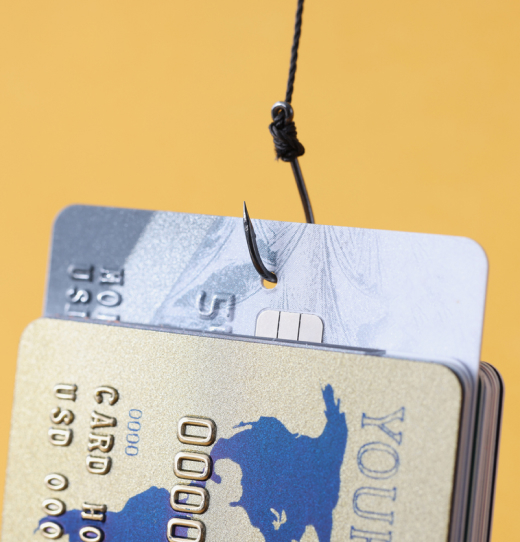
Phishing
Scammers often use email "phishing" to hook unsuspecting fraud victims. Treat all unsolicited email and spam as suspicious: Do not open or reply. To avoid loading malicious software onto your computer or device, never click a link – even from a trusted source – unless you've verified its authenticity. Be especially wary of emails asking for emergency funds or help from friends, family and colleagues. Their email accounts may have been hacked. Scammers will also pretend to be government agencies in scam emails.
Porting
A scammer gets your name and phone number, then gathers other identifiable information that can be used for identity theft. Pretending to be you, they then contact your mobile provider to report your phone as stolen or lost, and ask for the number to be "ported" to another provider and device. They can use your number to gain access to your financial accounts and other services with two-factor authentication enabled.
Ransomware
Ransomware is a type of malicious software—or malware—that prevents you from accessing your computer files, systems, or networks and demands you pay a ransom for their return. (FBI)
Romance Scams
Romance scammers contact you through dating apps or social media to try to establish a romantic relationship with you in order to access your money or personal information. Scammers use fake identities and back stories to gain your trust.
Skimming
The unauthorized use of a reader to read tags without the authorization or knowledge of tag’s owner or the individual in possession of the tag.
Sources:
NIST SP 800-98
Social Engineering
The act of deceiving an individual into revealing sensitive information, obtaining unauthorized access, or committing fraud by associating with the individual to gain confidence and trust.
Sources:
NIST SP 1800-21B under Social Engineering
Smishing
Short for "SMS phishing," smishing often involves text messages claiming to be from your bank or another company. The message displays a phone number to call or a link to click, giving scammers the chance to trick you out of money or personal information.
Spoofing
Spoofing occurs when a caller maliciously transmits false caller ID information to increase the likelihood that you'll answer. Scammers often spoof local numbers, private companies, government agencies and other institutions.
Wangiri One Ring Scam
When your phone rings only once, late at night, you may be tempted to call back. But the call may be from a foreign country with an area code that looks deceptively like it's in the U.S. If you dial back, international calling fees may wind up on your bill. Such cons are also known by the Japanese term "Wangiri."

If you have experienced suspicious or fraudulent activity or have questions about protecting your finances, contact us.

Don't Forget to Share.